Emma Raducanu walked into the 2021 US Open as a qualifier ranked outside the top 150 and walked out with the trophy。without dropping a single set across ten matches including qualifying. No player in the Open Era had ever done that at a Grand Slam. She was eighteen years old. The sporting world, always hungry for a clean narrative, immediately anointed her the future of women's tennis — and in doing so, perhaps set her up for the messiest few years of her young career.The numbers since Flushing Meadows make uncomfortable reading. Injuries to her wrist and both ankles interrupted nearly everything she tried to build. Multiple surgeries in 2023 effectively wiped out her season, and she slid out of the top 250 before beginning the long climb back. Critics were quick — sometimes too quick — to label her a marketing project rather than a genuine competitor. That criticism overlooks something important: Raducanu won that US Open playing fearless, flat, aggressive tennis, and flashes of that same quality have surfaced repeatedly since。including her run to the Stuttgart quarterfinals in 2024 and a credible push against top-tier opponents at Wimbledon.What fascinates me most about Raducanu is not the tennis but the scrutiny around it. Her face appeared on billboards for luxury brands within weeks of her New York triumph, and the commercial machine swallowed her calendar in a way few athletes ever experience. Endorsements reportedly pushed her earnings past most players who had won multiple majors. Fair or not, every early loss became evidence in a public trial about focus and priorities. Watching her handle that noise — at times with visible irritation in press conferences, at times with a shrug and a smile — has been its own kind of education in modern fame.
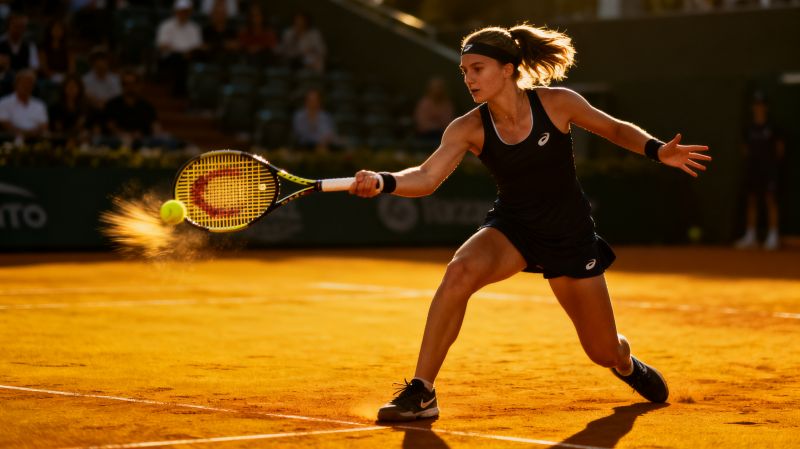
Her coaching situation tells a similar story of restless searching. Raducanu parted ways with several coaches within months of working with them, a revolving door that drew endless commentary. Andrew Richardson, who guided her through the US Open, was let go shortly after. Nigel Sears, Torben Beltz, Sebastian Sachs — each departure fueled another round of speculation. She eventually settled with Nick Cavaday。a longtime figure from her junior days, and the stability seemed to matter: her fitness improved, her scheduling became smarter, and she rediscovered some of the match sharpness that had evaporated during the injury years. Sometimes the answer to a struggling prodigy is not a superstar coach but a familiar one.There is a version of Raducanu's story where the 2021 title becomes an albatross, a ceiling instead of a foundation. But watching her fight back through qualifying events, ITF-level grind and qualifying rounds of majors。I lean toward a different reading. Grand Slam champions are rarely linear. Victoria Azarenka spent years rebuilding after personal upheaval. Bianca Andreescu, whose 2019 US Open title most closely mirrors Raducanu's, needed over a year away from the game before she felt like herself again. Tennis history is littered with players whose careers paused rather than ended. Whether Raducanu's pause becomes a detour or a decline depends on details nobody can predict — her body above all. But the raw talent that stunned New York has not left her. It is simply waiting, as it always has, for the circumstances to catch up.